12 Sep 2026
Decoding Algorithmic Fairness in Random Number Generators at Major Digital Betting Platforms
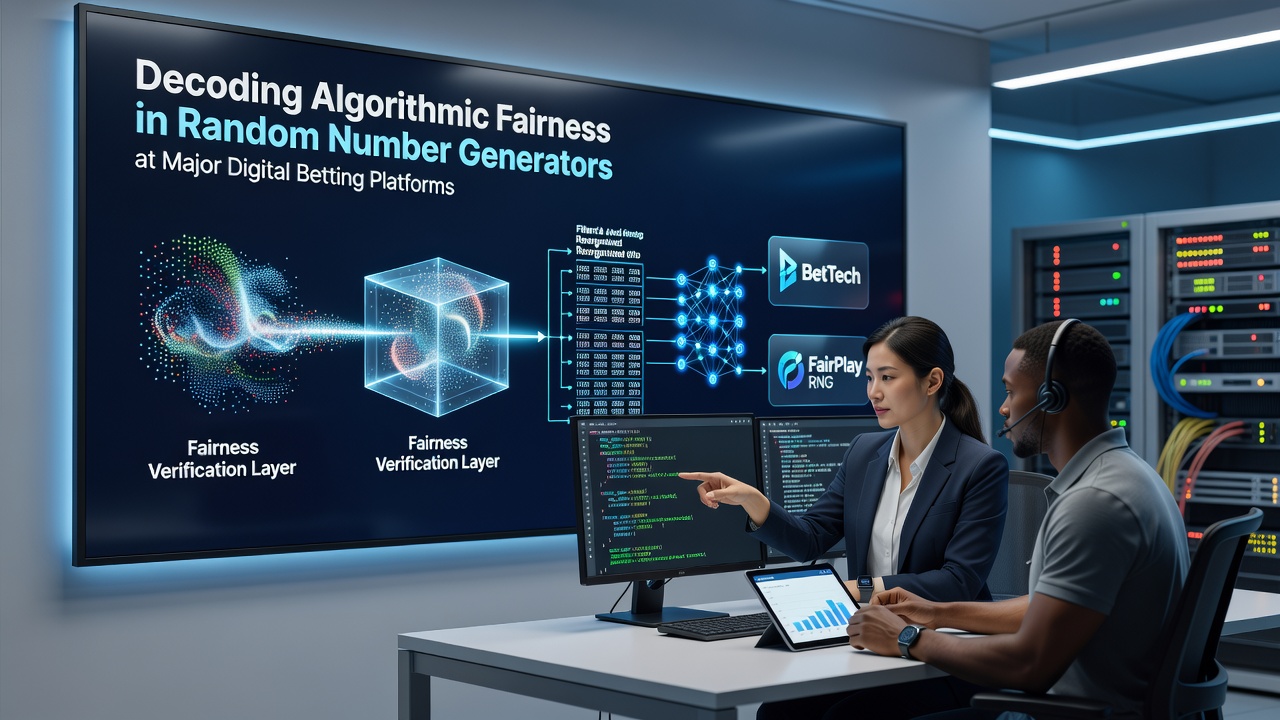
Random number generators form the backbone of digital betting operations, and major platforms rely on these systems to produce outcomes that meet strict fairness criteria across thousands of daily transactions. Developers integrate both pseudorandom algorithms and hardware entropy sources to create sequences that resist prediction while satisfying regulatory audits. Observers note that platforms must demonstrate statistical independence in results, a requirement enforced through repeated testing cycles that examine millions of generated values for uniformity and unpredictability.
Core Mechanisms Behind RNG Implementation
Algorithmic fairness begins with the selection of generators that pass established statistical suites such as Diehard or NIST SP 800-22, and these tests evaluate long sequences for bias, periodicity, and correlation. Major operators combine linear congruential generators with more complex methods like Mersenne Twister variants or cryptographically secure hash-based functions to reduce detectable patterns. Hardware-based true random number generators supplement software layers by harvesting physical noise from thermal fluctuations or quantum events, and this hybrid approach strengthens resistance to reverse-engineering attempts.
Certification laboratories conduct initial evaluations and periodic rechecks, verifying that deployed RNG modules maintain specified entropy levels under load. Data collected during these assessments shows that compliant systems achieve p-values distributed evenly across the acceptable range, confirming the absence of systematic favoritism toward particular outcomes. Platforms update their RNG firmware in controlled environments to avoid introducing new vulnerabilities during transitions.
Regulatory Standards Across Regions
Authorities in multiple jurisdictions establish minimum technical requirements that digital betting platforms must meet before receiving operational licenses. The Nevada Gaming Control Board mandates continuous monitoring of RNG performance with real-time logging, while Canadian provincial regulators require third-party verification at least annually. European frameworks emphasize conformance to EN 13816 standards for gambling equipment, and Australian oversight bodies focus on ensuring that return-to-player percentages remain consistent with published figures over extended sample periods.
Research institutions have published comparative analyses of RNG compliance rates, revealing that platforms using certified hardware modules encounter fewer audit failures than those relying solely on software implementations. These studies track metrics such as sequence length before repetition and autocorrelation scores, providing operators with benchmarks for internal quality controls. In September 2026 several jurisdictions plan to introduce updated entropy thresholds that reflect advances in computational attack methods, prompting platforms to review their current generator selections ahead of the deadline.

Testing Protocols and Continuous Monitoring
Independent test houses apply both static and dynamic evaluation methods, running chi-square, serial, and poker tests on sample streams that exceed one billion outcomes. Operators receive detailed reports that highlight any deviations beyond accepted tolerance bands, and these findings drive immediate corrective actions when thresholds are breached. Continuous monitoring tools deployed on live servers sample RNG output at regular intervals and compare results against historical baselines maintained by the platform.
One documented case involved a major European operator that identified subtle correlation in its secondary RNG module after a hardware upgrade, leading to an immediate rollback and re-certification process. Industry reports indicate that such incidents remain rare when platforms follow multi-layered testing regimens, yet they underscore the importance of maintaining redundant verification systems. Academic papers on algorithmic fairness further examine how machine-learning models might detect anomalies that traditional statistical tests overlook, and several platforms have begun pilot programs incorporating these techniques.
Security Considerations and Future Developments
Protection against external interference requires secure key management for seeded generators and physical safeguards around hardware entropy sources. Platforms document every access event and maintain chain-of-custody records that auditors review during inspections. Emerging standards encourage the adoption of post-quantum cryptographic primitives to future-proof RNG implementations against advances in quantum computing.
Figures released by international gaming associations show steady growth in the number of certified RNG modules deployed globally, reflecting increased platform investment in compliance infrastructure. Researchers continue to explore methods for quantifying fairness beyond basic statistical properties, including measures of player perception and outcome transparency. These efforts support ongoing refinement of testing criteria that will apply when new regulatory updates take effect in 2026.
Conclusion
Algorithmic fairness in random number generators remains a technical and regulatory priority for major digital betting platforms, supported by layered testing, diverse entropy sources, and cross-jurisdictional standards. Platforms that integrate certified hardware with rigorous monitoring protocols demonstrate consistent compliance across statistical evaluations. Continued collaboration between operators, laboratories, and research bodies ensures that RNG systems evolve alongside emerging computational threats while preserving the integrity of betting outcomes.