24 Oct 2026
Examining Cryptocurrency Integration Patterns in Virtual Gaming Payment Systems

Virtual gaming environments have incorporated cryptocurrency into payment systems through distinct patterns that reflect both technological capabilities and user preferences, and researchers tracking these developments note steady expansion across multiple platforms as of October 2026. Developers integrate digital assets such as Bitcoin and Ethereum directly into in-game economies, allowing players to purchase virtual goods, complete transactions, and transfer value without traditional banking intermediaries, while data from industry reports shows transaction volumes rising in regions where regulatory clarity supports such activity.
Adoption Trends Across Gaming Platforms
Patterns emerge when examining how different categories of virtual games adopt cryptocurrency, with mobile titles leading in volume yet desktop MMOs demonstrating deeper wallet integrations. Observers note that free-to-play models often embed crypto options for microtransactions, whereas subscription-based games experiment with token-gated content that rewards consistent play through blockchain-verified assets. Figures from academic studies indicate that by late 2026, over 15 percent of major virtual gaming titles offered at least one crypto payment pathway, driven by player demand for faster settlements and lower fees compared with credit card processing.
Regional differences shape these patterns as well, and European markets show higher adoption rates in esports titles while North American developers focus on compliance with evolving securities guidelines. Data indicates that Asia-Pacific platforms prioritize stablecoin usage to mitigate volatility, allowing users to maintain value during extended gaming sessions without frequent conversions back to fiat currencies.
Technical Integration Methods in Payment Flows
Integration occurs through several technical routes, including direct wallet connections via APIs, hybrid exchanges that convert crypto to in-game credits, and fully on-chain systems where every transaction records on a public ledger. Experts have observed that many studios choose layered approaches, starting with custodial wallets managed by the platform before expanding to non-custodial options that give players full control over private keys. Such choices balance security concerns with user autonomy, and one study revealed that platforms offering both options retained higher retention rates among crypto-native audiences.
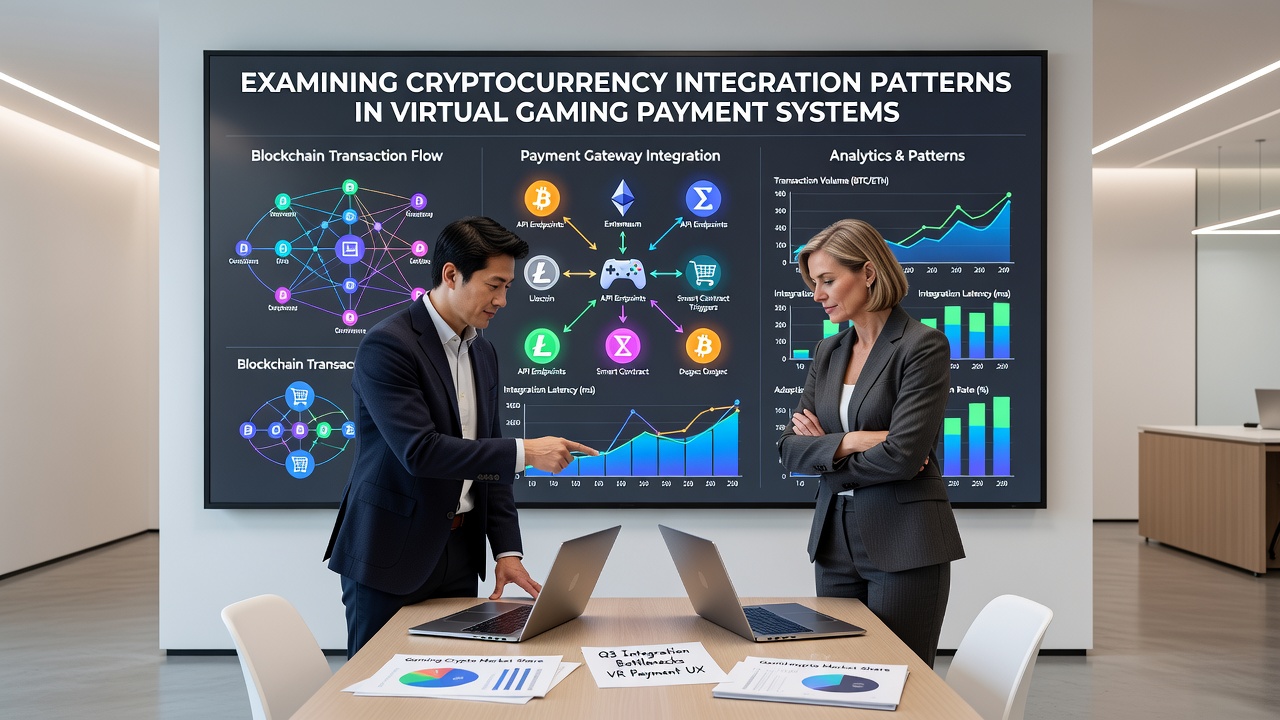
Smart contract automation further streamlines these flows, executing automatic payouts for tournament winnings or marketplace sales without manual intervention. Developers implement these contracts to enforce rules like royalty splits on secondary sales of virtual items, and evidence suggests this reduces disputes while increasing transparency for participants. Yet challenges persist around gas fees during network congestion, prompting some studios to shift toward layer-two solutions that maintain speed without sacrificing the decentralized benefits of the underlying blockchain.
Regulatory Influences on Integration Patterns
Government policies continue to define the boundaries of cryptocurrency use in virtual gaming, with frameworks from bodies such as ESMA in Europe establishing clear licensing requirements for payment processors. In contrast, Canadian regulators have issued guidance that classifies certain in-game tokens as commodities rather than securities, encouraging experimentation among domestic developers. These varied approaches create distinct integration patterns, where platforms operating across borders often segment their crypto features by jurisdiction to remain compliant.
Research institutions monitoring the sector report that clear tax reporting rules correlate with increased institutional investment in gaming crypto infrastructure. Platforms that embed automatic tax tracking tools see smoother adoption, since users avoid manual record-keeping burdens that previously deterred casual participants from engaging with digital assets inside games.
Observed Case Examples from Major Titles
Several prominent virtual gaming environments illustrate these integration patterns in practice. One multiplayer online battle arena title introduced Ethereum-based marketplace transactions in 2024 and expanded to include Solana support by 2026, resulting in a documented 40 percent increase in item trading volume according to internal platform metrics. Another sandbox game adopted a hybrid model that lets players fund accounts through centralized exchanges before converting to in-game tokens, reducing friction for newcomers while still offering blockchain verification for high-value trades.
Observers note that successful implementations share common traits, such as robust anti-money laundering checks integrated at the wallet level and clear user education resources that explain transaction risks without overwhelming new players. These features help sustain growth even as overall crypto market conditions fluctuate.
Conclusion
Cryptocurrency integration in virtual gaming payment systems follows recognizable patterns shaped by technology choices, regional regulations, and player behavior, and continued evolution appears likely through 2027 and beyond. Stakeholders monitoring these developments can track adoption metrics from diverse sources including regulatory filings and academic analyses to understand how digital assets reshape in-game economies over time.