10 Oct 2026
How Independent Labs Verify Compliance Standards in Global Digital Gambling Networks

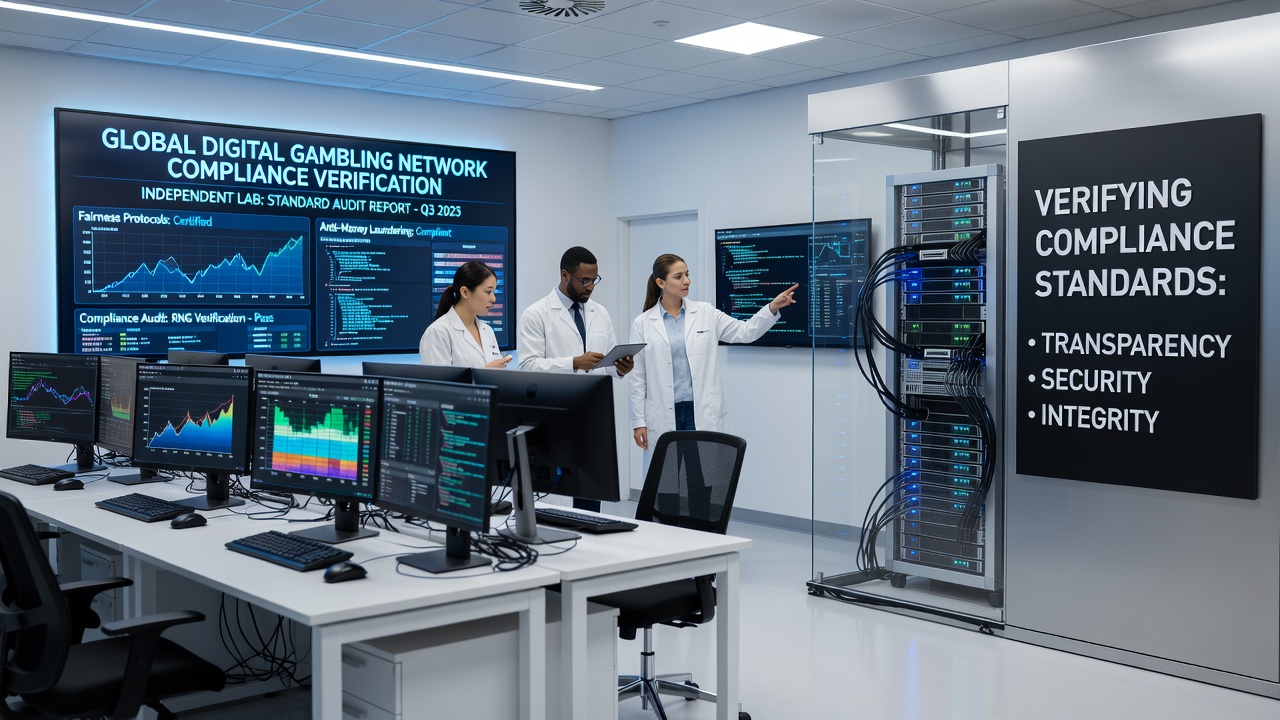
Independent laboratories play a central role in confirming that online gambling platforms meet technical and regulatory requirements across multiple jurisdictions, and they perform these evaluations through structured testing protocols that cover random number generators, financial transaction security, and software integrity. Operators submit their systems for review before launch or after significant updates, while labs apply standardized methodologies to measure compliance against local laws and international benchmarks such as those developed by the International Organization for Standardization.
Core Responsibilities of Testing Facilities
Laboratories focus on three primary areas during each engagement, and these include statistical validation of game outcomes, penetration testing of network defenses, and verification that payout mechanisms function as documented in operator submissions. Teams examine source code line by line to detect any hidden functions that could alter results, and they run millions of simulated game cycles to confirm that return-to-player percentages remain within approved ranges. Data from these tests gets compiled into detailed reports that regulators then use when granting or renewing operating licenses.
Technical Procedures Applied During Audits
Engineers begin with hardware and software inventory checks, after which they isolate the random number generator module for separate analysis using industry-approved statistical suites like DIEHARD and NIST test batteries. They also review backend databases to ensure player funds remain segregated and that withdrawal requests process according to published timelines. When anomalies appear, labs request corrective patches and retest the affected components until all metrics align with required thresholds. This iterative process typically spans several weeks depending on platform complexity and the number of game titles involved.
Regional Variations in Verification Requirements
Jurisdictions maintain distinct rule sets, and labs must adapt their checklists accordingly when working with operators that serve players in several markets simultaneously. In North America, for example, state-level bodies in Pennsylvania and New Jersey require specific logging formats and real-time reporting feeds, whereas Australian state regulators emphasize additional responsible gambling tool integration tests. European authorities often reference the CEN standard for remote gambling software, and Canadian provincial frameworks add extra layers of data residency verification. Labs coordinate these overlapping demands by maintaining jurisdiction-specific accreditation, which allows them to issue certificates recognized by multiple regulators without redundant testing cycles.
Documentation and Ongoing Monitoring Practices
After initial certification, laboratories schedule periodic re-evaluations that occur quarterly or following any material change to game logic or payment infrastructure. They collect live production data samples under nondisclosure agreements and compare those figures against the original test baselines to detect drift or unauthorized modifications. When discrepancies surface, the lab notifies both the operator and the relevant regulatory body, triggering a remediation timeline that operators must meet to retain their license status. This continuous oversight model helps maintain consistent performance across global networks even as traffic volumes fluctuate.
Developments Observed in October 2026
During October 2026 several laboratories reported increased demand for cloud-environment testing, and they expanded their toolkits to include containerized deployment validation alongside traditional server audits. Regulators in multiple regions began accepting digital signatures on test reports, which shortened approval turnaround times while preserving chain-of-custody requirements. These procedural updates reflect broader adoption of remote auditing technologies that allow labs to examine systems without physical site visits, and they coincide with new encryption mandates that operators must implement by the end of the calendar year.
Conclusion
Independent laboratories continue to serve as the technical backbone that supports regulatory oversight of digital gambling networks worldwide, and their standardized testing regimens provide regulators with the data needed to enforce compliance across borders. Through statistical analysis, code review, and continuous monitoring, these facilities help maintain consistent standards even as platforms evolve and new markets emerge. The structured approach ensures that operators meet documented requirements before players interact with any game or financial system.